Northeast Water Wells installs and services agricultural wells and pumping systems throughout Southern New Hampshire and Central Massachusetts. We help farm and agricultural property owners evaluate water supplies for livestock, crop irrigation, greenhouses, nurseries, and other daily operations.
Each property has different demands. We plan the water-supply system around the intended uses, seasonal needs, available well production, and the equipment required to move water where it is needed.
Planning Your Farm’s Water Supply
Planning begins with how much water your operation uses over a day and how quickly it needs to be delivered. Several uses running together can create a substantially different demand than the same activities spread throughout the day.
Helpful information includes:
- The type of agricultural operation and proposed water uses.
- Livestock numbers, irrigated acreage, or greenhouse requirements.
- Estimated daily water use and peak flow requirements, if known.
- Required operating pressure and distances to watering locations.
- Seasonal demand and plans for future expansion.
- Existing wells, pumps, storage tanks, and available electrical service.
If flow requirements have already been established by an irrigation contractor, equipment supplier, or agricultural specialist, we can use that information when evaluating the water-supply design.
Wells for Livestock & Farm Buildings
Livestock watering, barn cleaning, wash areas, and other farm activities can place overlapping demands on a water system. We consider the required delivery rate, pressure, elevation changes, and distance between the well and points of use.
For properties with several buildings or watering locations, piping and pump selection affect how the system performs. We discuss the proposed distribution layout and identify which portions of the installation are included in our scope.
Where an interruption would significantly affect daily operations, we can also discuss storage and backup arrangements appropriate to the property.
Crop Irrigation, Greenhouses & Nurseries
Agricultural irrigation requirements depend on the crop, growing area, irrigation method, and watering schedule. Drip irrigation, sprinkler systems, and greenhouse equipment may have different flow, pressure, and filtration needs.
We coordinate with your irrigation contractor or system designer to match the water supply and pumping equipment to those requirements.
Seasonal demand matters as well as peak flow. A system needs an operating plan that accounts for both the amount of water available and the duration of watering. Visit our Irrigation Wells page for more information about irrigation water supplies.
Drilling a New Agricultural Well
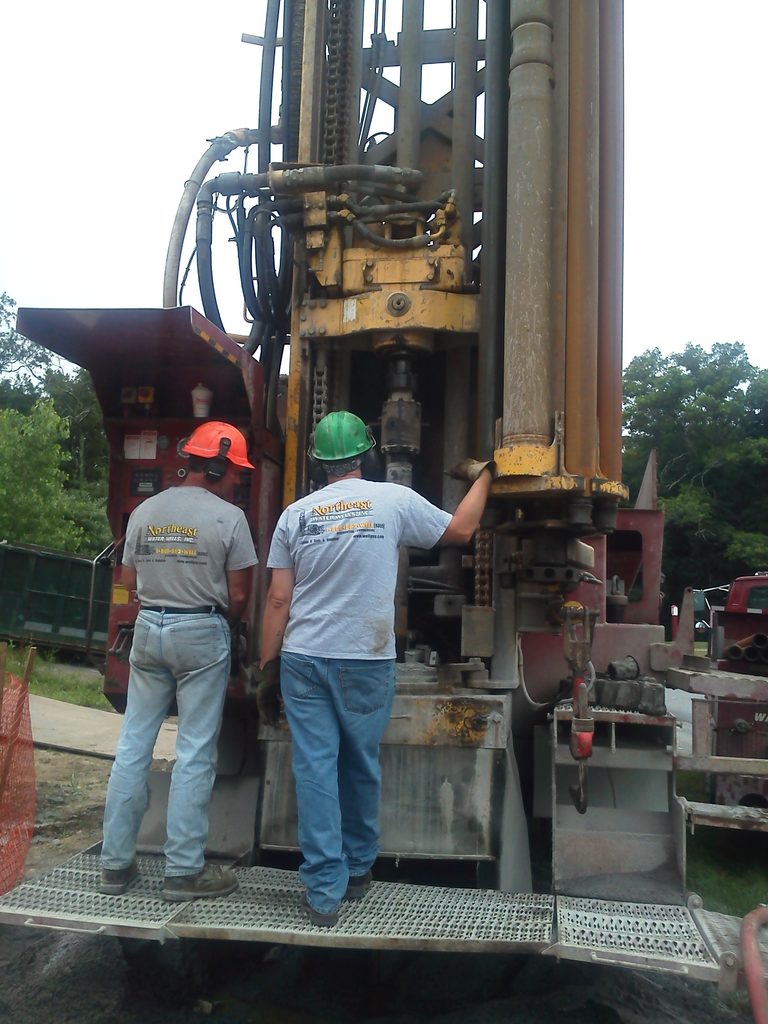
We review the proposed location, equipment access, utilities, nearby site features, and applicable construction requirements before drilling. Farm operations, vehicle routes, and future access for service should also be considered.
The finished depth, casing requirements, and water production depend on the conditions encountered underground. Nearby well records provide useful background but cannot guarantee the results of a new well.
After construction, we evaluate water production and discuss additional testing where appropriate. Larger or more demanding projects may require coordination with other project professionals.
Learn more about our well drilling services.
Pumping Systems, Controls & Water Storage
Pump selection considers the well’s characteristics, required flow and pressure, elevation changes, piping distances, and intended operating schedule.
Depending on the application, the system may include a submersible well pump, pressure tank, pump controls, storage tanks, or booster equipment. Constant pressure controls can be considered where appropriate.
Storage may help balance a limited well supply with short periods of higher demand. It does not increase the well’s production, so tank capacity and refill schedules need to reflect the available supply.
Visit our well pump systems and services page to learn more.
Water Testing & Treatment Considerations
Water quantity and water quality are separate parts of planning. Testing should reflect how the water will be used, whether for drinking, livestock, irrigation, washing, or another purpose.
We can arrange laboratory testing and discuss treatment options based on the findings. Iron, manganese, sediment, hardness, and other water conditions may affect equipment, staining, or maintenance needs.
Crop-specific and livestock-specific water-quality requirements should be established with your agricultural adviser, veterinarian, or other appropriate specialist. We can use those requirements when discussing the water-supply and treatment equipment.
Learn about our water filtration and treatment services.
Evaluating an Existing Farm Well
An existing well may be suitable for expanded use, but additional demand should be evaluated before new equipment is connected.
We can assess concerns involving low pressure, interrupted flow, pump performance, or limited water production. Depending on the findings, options may include pump repairs, control changes, storage, well deepening, or hydrofracturing.
The appropriate approach depends on the well’s condition and the property’s needs. Additional work cannot guarantee a particular increase in production.
Discuss Your Agricultural Water Project
Northeast Water Wells has served Massachusetts and New Hampshire since 1966. We can help you evaluate a new agricultural well, review an existing supply, or plan pumping equipment for your operation.
When contacting us, have the property address, type of operation, proposed water uses, and any available flow requirements or well records ready.
Call 1-800-562-WELL (9355) or contact us to discuss agricultural wells in Southern New Hampshire and Central Massachusetts.